Mold Restoration in Essex County, NJ
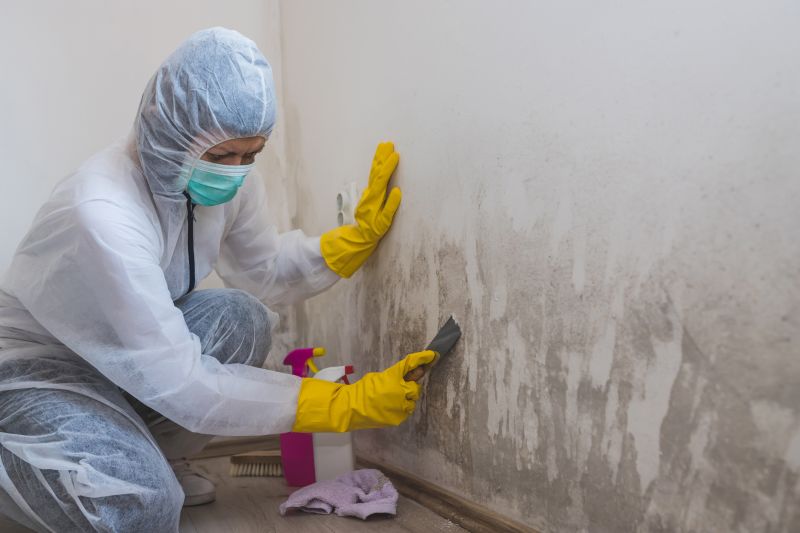
Mold restoration services involve identifying and removing mold growth from residential properties to improve indoor air quality and prevent potential health issues. These projects typically cover areas affected by moisture problems, such as basements, bathrooms, attics, or walls where mold has developed due to leaks, high humidity, or flooding. Property owners considering mold restoration often want to understand the extent of mold contamination, the types of surfaces involved, and the necessary steps to safely eliminate mold and prevent future growth.
Homeowners seeking mold restoration usually inquire about the process of mold removal, the scope of work needed for their specific situation, and any potential impact on their property. It’s important to assess whether visible mold is confined to certain areas or if there are hidden growths behind walls or under flooring. Understanding the severity of mold presence and the methods used for removal can help property owners make informed decisions about restoring a safe and healthy living environment.
Many property owners in Essex County, NJ look into Mold Restoration for repairs, replacements, upgrades, and appearance-related improvements.
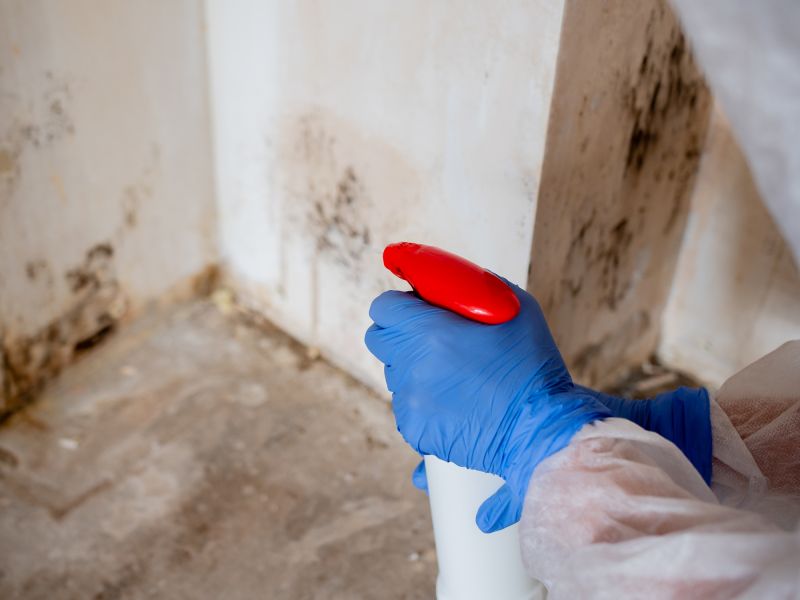
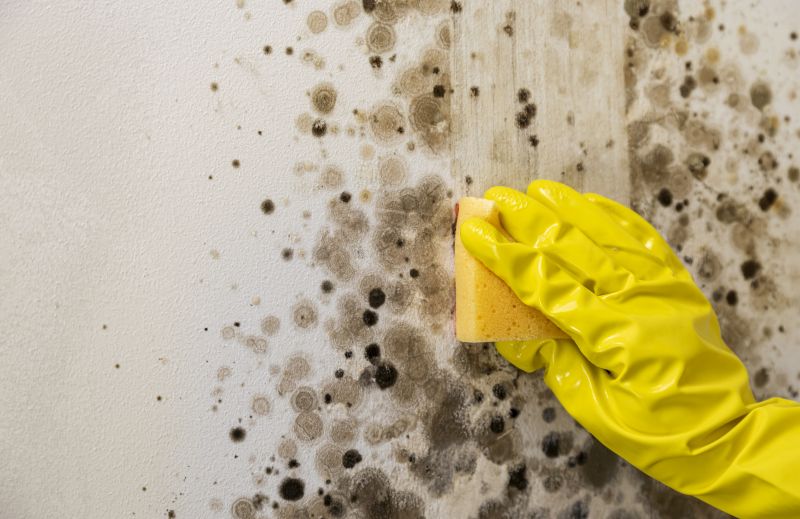
Mold Damage Assessment
Identifying hidden mold growth in residential and commercial properties throughout essex county, nj.
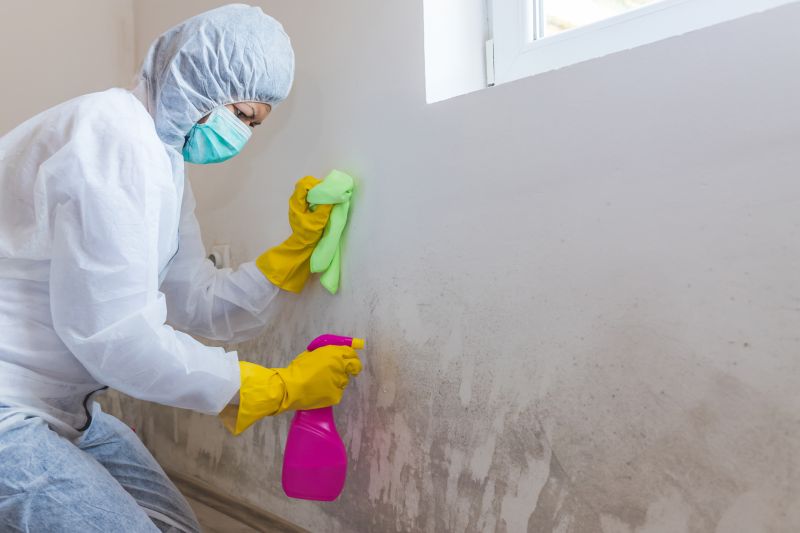
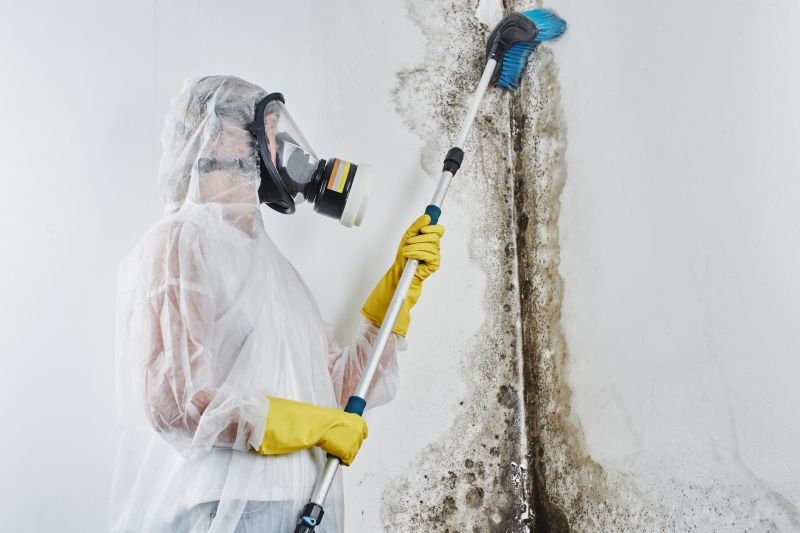
Mold Removal & Cleanup
Comprehensive techniques to safely eliminate mold and restore indoor air quality.
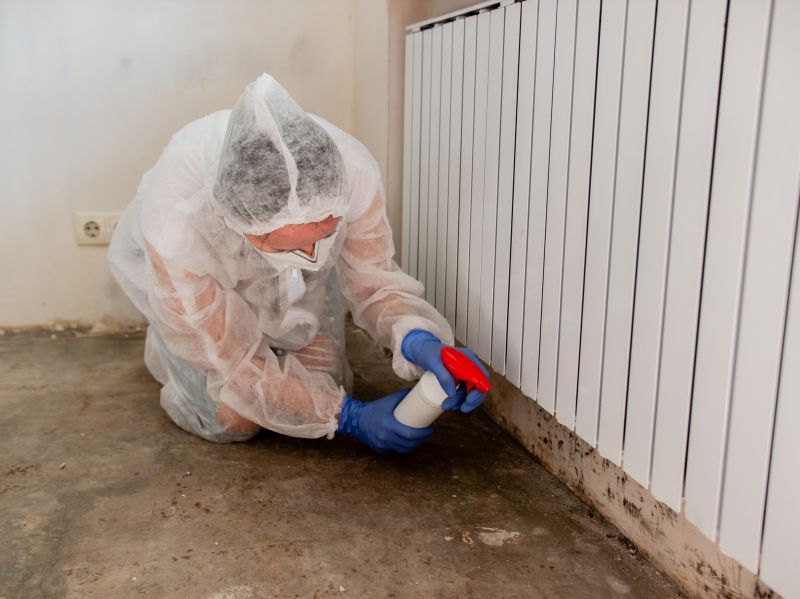
Post-Remediation Restoration
Rebuilding and repairing affected areas to ensure a safe and healthy living environment.
Mold Restoration in Essex County, NJ
Mold restoration services involve identifying and removing mold growth from residential properties to improve indoor air quality and prevent potential health issues. These projects typically cover areas affected by moisture problems, such as basements, bathrooms, attics, or walls where mold has developed due to leaks, high humidity, or flooding. Property owners considering mold restoration often want to understand the extent of mold contamination, the types of surfaces involved, and the necessary steps to safely eliminate mold and prevent future growth.
Homeowners seeking mold restoration usually inquire about the process of mold removal, the scope of work needed for their specific situation, and any potential impact on their property. It’s important to assess whether visible mold is confined to certain areas or if there are hidden growths behind walls or under flooring. Understanding the severity of mold presence and the methods used for removal can help property owners make informed decisions about restoring a safe and healthy living environment.
Many property owners in Essex County, NJ look into Mold Restoration for repairs, replacements, upgrades, and appearance-related improvements.
Common Mold Restoration Jobs
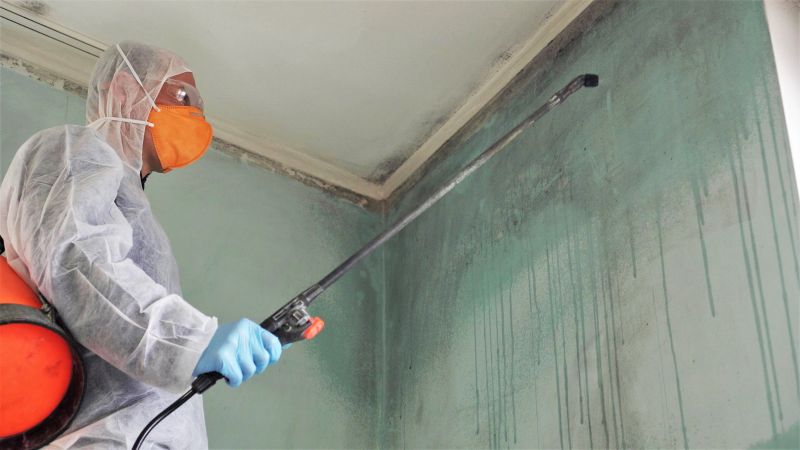
Mold remediation - removal of mold growth from affected areas to improve indoor air quality.
Water damage mold cleanup - addressing mold issues caused by leaks, flooding, or plumbing failures.
Basement mold restoration - treating mold growth in basement spaces to prevent structural damage.
HVAC mold treatment - cleaning and disinfecting heating and cooling systems to eliminate mold spores.
Attic mold removal - removing mold from attic spaces to prevent health risks and property damage.
Mold prevention services - implementing strategies to reduce future mold growth after restoration.
Mold Restoration Questions
What causes mold to develop indoors? Mold grows in areas with moisture, such as leaks, high humidity, or poor ventilation.
How can mold affect property health? Mold can cause allergies, respiratory issues, and other health problems if left untreated.
What types of surfaces are affected by mold restoration? Mold can grow on walls, ceilings, wood, drywall, and other porous or damp materials.
What is the main goal of mold restoration? The goal is to remove mold growth and address moisture sources to prevent future issues.
Request Mold Restoration in Essex County, NJ
Use the quote form on this page to share the basics of your project and request more information for the type of work you need.